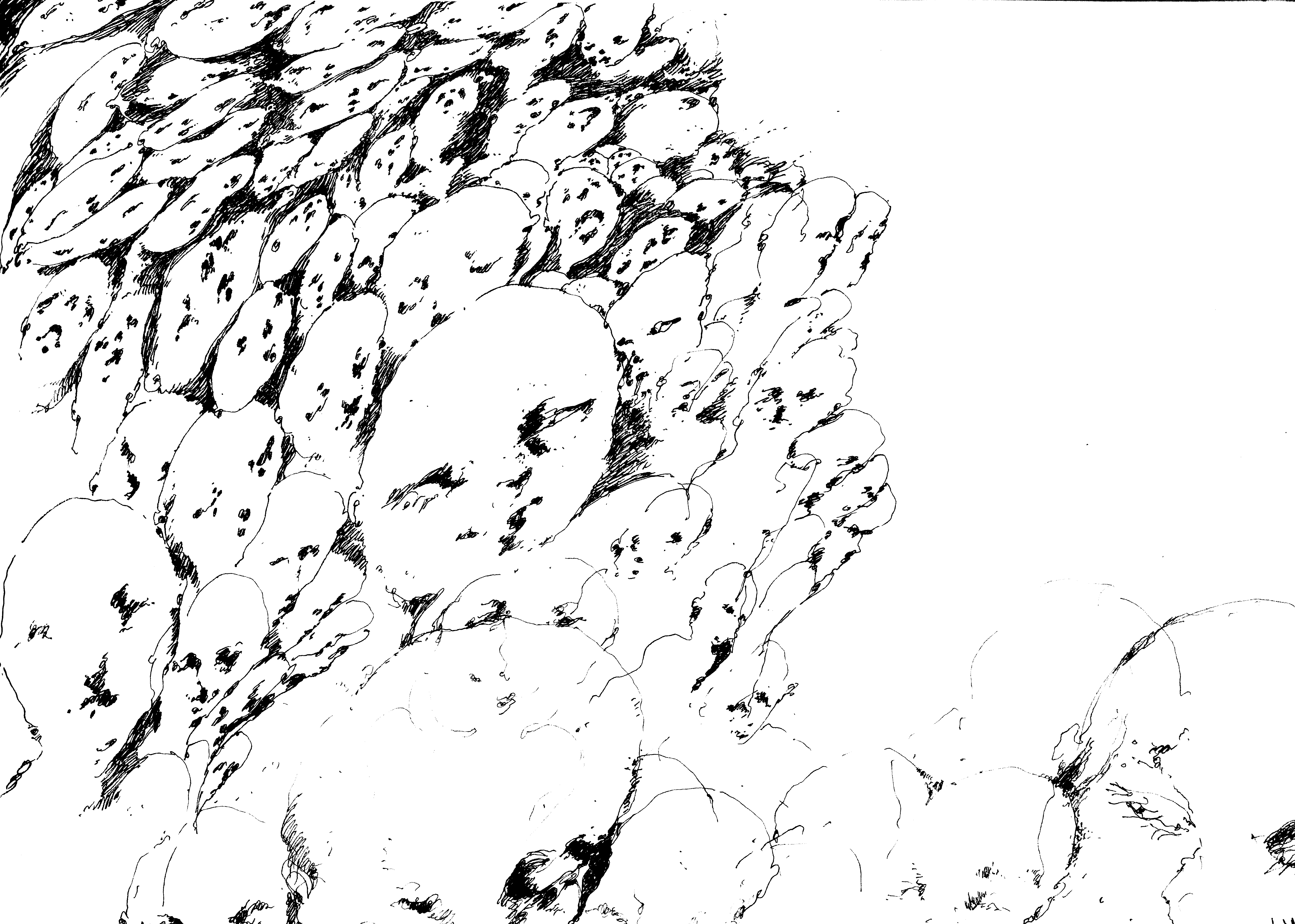
Lin You has been able to carve out a space for herself and her unique style in every artform she works in.
She’s gained recognition for combining traditional animation with live-action footage to make experimental, eye-catching music videos. More recently, she has focused on her talents writing and directing narrative works, in addition to further developing her unique photography and illustrations. Truly a versatile artist, she is making incredible work across the many artforms she practices, and is able to intentionally incorporate them together beautifully.
My first exposure to Lin You’s work was through her 2023 music video for ee’s song Beijing. Though I had never heard of the song or the artist beforehand, there were parts of this video that stuck with me so distinctly afterwards. I was amazed at how animation was integrated together with live-action footage and digital effects while still having a cohesive look. I loved that there was noise and texture on almost everything, bringing a handmade and physical touch to the video. But as I looked into Lin’s full body of work, and as she would soon tell me, I found that this music video was just barely a glimpse of all the amazing art she was making.
I was incredibly lucky to be able to speak at length with Lin You, our chat was extremely fun and helped me learn more about her as a person and an artist. So, please enjoy this conversation with Lin You about using mixed media intentionally, finding community in a scene, her multimedia flipbook publication, her favorite films and inspirations, and what she’s learned through her creative journey.
Lin You has been able to carve out a space for herself and her unique style in every artform she works in.
She’s gained recognition for combining traditional animation with live-action footage to make experimental, eye-catching music videos. More recently, she has focused on her talents writing and directing narrative works, in addition to further developing her unique photography and illustrations. Truly a versatile artist, she is making incredible work across the many artforms she practices, and is able to intentionally incorporate them together beautifully.
My first exposure to Lin You’s work was through her 2023 music video for ee’s song Beijing. Though I had never heard of the song or the artist beforehand, there were parts of this video that stuck with me so distinctly afterwards. I was amazed at how animation was integrated together with live-action footage and digital effects while still having a cohesive look. I loved that there was noise and texture on almost everything, bringing a handmade and physical touch to the video. But as I looked into Lin’s full body of work, and as she would soon tell me, I found that this music video was just barely a glimpse of all the amazing art she was making.
I was incredibly lucky to be able to speak at length with Lin You, our chat was extremely fun and helped me learn more about her as a person and an artist. So, please enjoy this conversation with Lin You about using mixed media intentionally, finding community in a scene, her multimedia flipbook publication, her favorite films and inspirations, and what she’s learned through her creative journey.
Elicit
To start, could you introduce yourself and tell me how you got into art and into your profession?
Elicit
To start, could you introduce yourself and tell me how you got into art and into your profession?
Lin
Yeah, so I'm Lin. I was born in China and then I moved when I was 10 years old to the U.S. I have always been drawing since I was very, very, very small, I started out with illustrations and comics. And my parents are also artists, so they kind of shoved me even more into it. And I started with illustrations, and it was a lot of early influences like Studio Ghibli and that kind of stuff, really whimsical stuff, Adventure Time. But then I realized at a point that animation, or hand-drawn animation, took just such an immense amount of time on your own. I couldn't pull together a team at a younger age, and so I started filming also because I was interested in storytelling.
So at some point, I just started transitioning to live-action filmmaking, but always in the back of my mind was like, “What if I just combined the two? What if I shot all of these things and still had it integrate with hand-drawn animation or different types of mixed media?” And so that's what my earlier music video works were, the first three music videos I did. “Beijing” was the first one, and then there was a Mila Moon music video which was also partially live action, partially animation. And then there's the sign crushes motorist video, the "Better" video, which is probably my favorite mixed media project I've done. And that one is kind of like a reflection on childhood and the loss of innocence, in a sense, and that was trying to explore that through mixing these scanned images of live-action footage with drawings that kind of reflect this character's state of mind.
So that's what some of my earlier works were. And I guess now I'm shifting more into live-action for storytelling purposes, but you know, it always is in the back of my mind and a dream of mine to build worlds and just create these impossible situations that would look really gimmicky if it was shot in-person through like animation. So maybe that'll happen in the future. But yeah, that's me and my mixed media journey.
Lin
Yeah, so I'm Lin. I was born in China and then I moved when I was 10 years old to the U.S. I have always been drawing since I was very, very, very small, I started out with illustrations and comics. And my parents are also artists, so they kind of shoved me even more into it. And I started with illustrations, and it was a lot of early influences like Studio Ghibli and that kind of stuff, really whimsical stuff, Adventure Time. But then I realized at a point that animation, or hand-drawn animation, took just such an immense amount of time on your own. I couldn't pull together a team at a younger age, and so I started filming also because I was interested in storytelling.
So at some point, I just started transitioning to live-action filmmaking, but always in the back of my mind was like, “What if I just combined the two? What if I shot all of these things and still had it integrate with hand-drawn animation or different types of mixed media?” And so that's what my earlier music video works were, the first three music videos I did. “Beijing” was the first one, and then there was a Mila Moon music video which was also partially live action, partially animation. And then there's the sign crushes motorist video, the "Better" video, which is probably my favorite mixed media project I've done. And that one is kind of like a reflection on childhood and the loss of innocence, in a sense, and that was trying to explore that through mixing these scanned images of live-action footage with drawings that kind of reflect this character's state of mind.
So that's what some of my earlier works were. And I guess now I'm shifting more into live-action for storytelling purposes, but you know, it always is in the back of my mind and a dream of mine to build worlds and just create these impossible situations that would look really gimmicky if it was shot in-person through like animation. So maybe that'll happen in the future. But yeah, that's me and my mixed media journey.
The Better music video, Lin’s favorite mixed media project, was selected by multiple film festivals and is a great showcase of her style across artforms. Courtesy of Lin You.
The Better music video, Lin’s favorite mixed media project, was selected by multiple film festivals and is a great showcase of her style across artforms. Courtesy of Lin You.
Elicit
Yeah, that’s super cool to hear about. And that kind of goes into one of my next questions, where you said you enjoy how using animation and live-action lets you do those impossible things. I’m curious, do you think that using those mixed media methods gives your work any other benefits, or can you tell unique stories through that in some way?
Elicit
Yeah, that’s super cool to hear about. And that kind of goes into one of my next questions, where you said you enjoy how using animation and live-action lets you do those impossible things. I’m curious, do you think that using those mixed media methods gives your work any other benefits, or can you tell unique stories through that in some way?
Lin
I think definitely. I mean, I guess it does depend on what you define as mixed media, because you could say special effects or CGI, you could say that that's mixed media, but that is more so accentuating pre-existing footage and trying to… how do I say this? I think what I focus on, which is mixing hand-drawn animation with live-action footage, is inherently kind of at odds with each other, like they're not supposed to mix. And so when you do mix them, you kind of risk pulling the audience out. It's like, “Oh, why are we suddenly transitioning into this paper realm?” And I do think it has to be very intentional and purposeful. I think there's a lot of music videos I've seen that do combine those things, but do end up to me feeling a little bit gimmicky. So I think the thing with doing mixed media is it does have to be very intentional.
Yeah, I think intentionality is what's most important, because I also think paper media does already kind of suggest a few things on its own. Like it suggests childhood, it suggests a sense of nostalgia and maybe intentionally being retro and primitive or whatever. So you just have to keep those implications in mind as you're creating the whole project. Like, does the mixed media component serve the story or does it take away from the story? Or should you have just made the whole thing animation? Should you have shot the whole thing? You have to be very intentional and clear about that, I think.
Lin
I think definitely. I mean, I guess it does depend on what you define as mixed media, because you could say special effects or CGI, you could say that that's mixed media, but that is more so accentuating pre-existing footage and trying to… how do I say this? I think what I focus on, which is mixing hand-drawn animation with live-action footage, is inherently kind of at odds with each other, like they're not supposed to mix. And so when you do mix them, you kind of risk pulling the audience out. It's like, “Oh, why are we suddenly transitioning into this paper realm?” And I do think it has to be very intentional and purposeful. I think there's a lot of music videos I've seen that do combine those things, but do end up to me feeling a little bit gimmicky. So I think the thing with doing mixed media is it does have to be very intentional.
Yeah, I think intentionality is what's most important, because I also think paper media does already kind of suggest a few things on its own. Like it suggests childhood, it suggests a sense of nostalgia and maybe intentionally being retro and primitive or whatever. So you just have to keep those implications in mind as you're creating the whole project. Like, does the mixed media component serve the story or does it take away from the story? Or should you have just made the whole thing animation? Should you have shot the whole thing? You have to be very intentional and clear about that, I think.
I think making a special and unique world around the video is really important for me. I do want everything I make to look somehow a little bit interesting in a way.
I think making a special and unique world around the video is really important for me. I do want everything I make to look somehow a little bit interesting in a way.
Elicit
Whether it’s a music video or something else and you’re thinking about how to be intentional with your methods and the techniques that you use, are there any other things that you keep in mind when you’re coming up with ideas or making the work?
Elicit
Whether it’s a music video or something else and you’re thinking about how to be intentional with your methods and the techniques that you use, are there any other things that you keep in mind when you’re coming up with ideas or making the work?
Lin
I think earlier on, for me, it was just a lot about experimentation and making a “cool video.” That is why I said when you pointed out “Beijing,” I was kind of like, “That's not my best work,” because I felt like [for] that video, my intentions behind it [were] to just make the coolest music video possible—which is kind of the point of a lot of music videos, but I do try to have a little bit more messaging behind what I make, I do want that for future works. And I think from that point on, since that video, I have tried to be a little bit more intentional.
So whenever I have used mixed media, it's usually [for] 2 reasons. One is that it accentuates already what I was trying to do and what I was trying to say with the atmosphere or mood of the track or the story, if there is a story, or it is—I feel a little bit guilty about this—it could be covering up a flaw. For example, I shoot footage of this guy singing or something, and then the footage looks just not that good, it looks kind of bad. Then I'm like, “Oh, okay, but maybe I can add this little scanning technique or do this animation of him instead that plays over this to make it look more interesting.”
I think making a special and unique world around the video is really important for me. I do want everything I make to look somehow a little bit interesting in a way. Maybe that makes it a little bit more stylish and “aesthetic,” but I do want it to be a little bit unique, I don't want it to look super bland. So that is, I guess, the second part of it, was like using it as a tool to just visually make things interesting, but ideally also narratively make the project more interesting.
Lin
I think earlier on, for me, it was just a lot about experimentation and making a “cool video.” That is why I said when you pointed out “Beijing,” I was kind of like, “That's not my best work,” because I felt like [for] that video, my intentions behind it [were] to just make the coolest music video possible—which is kind of the point of a lot of music videos, but I do try to have a little bit more messaging behind what I make, I do want that for future works. And I think from that point on, since that video, I have tried to be a little bit more intentional.
So whenever I have used mixed media, it's usually [for] 2 reasons. One is that it accentuates already what I was trying to do and what I was trying to say with the atmosphere or mood of the track or the story, if there is a story, or it is—I feel a little bit guilty about this—it could be covering up a flaw. For example, I shoot footage of this guy singing or something, and then the footage looks just not that good, it looks kind of bad. Then I'm like, “Oh, okay, but maybe I can add this little scanning technique or do this animation of him instead that plays over this to make it look more interesting.”
I think making a special and unique world around the video is really important for me. I do want everything I make to look somehow a little bit interesting in a way. Maybe that makes it a little bit more stylish and “aesthetic,” but I do want it to be a little bit unique, I don't want it to look super bland. So that is, I guess, the second part of it, was like using it as a tool to just visually make things interesting, but ideally also narratively make the project more interesting.
As my first exposure to Lin’s work, I did believe that this was one of the coolest music videos I’d ever seen. But now, I think it shows how her work has evolved and become more intentional over time. Courtesy of AN ORCHID (Iain Delavan and Lin You) and [7th Heaven].
Elicit
Definitely. And one of the things that I noticed when I was looking at your [earlier] work is you seem to have your own unique style that you would go to when making a lot of music videos and even looking at your website, with everything being very black and white or muted colors and a lot of analog techniques mixing in with that. And I was curious on how you ended up getting to have, if you would call it, a style, and how you created that while also creating in a bunch of different mediums?
Elicit
Definitely. And one of the things that I noticed when I was looking at your [earlier] work is you seem to have your own unique style that you would go to when making a lot of music videos and even looking at your website, with everything being very black and white or muted colors and a lot of analog techniques mixing in with that. And I was curious on how you ended up getting to have, if you would call it, a style, and how you created that while also creating in a bunch of different mediums?
Lin
Honestly, I still think that even today I am still trying to find a “style,” but I do think now I'm more of the belief that the style or the form should serve the function. It does really depend, right? I guess for things that I'm just making for fun for myself, like random little experiments and videos, that obviously doesn't matter, that's a stylistic exploration. And also, even with music videos, a lot of the time the point is to make it look cool. So then, it's just, “How can I make this look interesting and cool without seeming gimmicky and just trying to be cool?”
And then, in terms of style, how I developed it, I guess that's where my drawing background comes in because I've always worked with paper. I always worked with paper and animation, and at a point I was doing digital animation, but I thought digital animation was, I don't know, I just felt like it looked a little bit too digital and a little bit soulless. I actually, at one point, I worked for a 3D animation studio, a really indie 3D animation studio, and they do these crazy absurd 3D animations that are intentionally really hyper digital, and that's actually really cool too. I couldn't do that myself. But in the beginning it was like, say I wanted to combine footage shot digitally with a hand-drawn animated sequence, you couldn't really just do that because it looks kind of weird together. It's really hard to just put them together. So I started—I guess this is one of my style hallmarks—I started scanning a lot. Actually a lot of my photographs and a lot of my videos, the “Better” video for sign crushes motorist, that video was fully scanned. There is no one frame in the video that was not scanned because I shot it completely digitally, actually. Everything, I always shoot digital; I actually don't really ever use real analog media because I like the flexibility to be able to degrade if I want, or to keep it pristine if I wanted to keep it pristine.
So yeah, I would basically reduce the frame count, like it's shot at 24 frames per second, I would make it 6 frames or something, and then I would print out every single frame, and then I would play around with that. And usually I find that with that kind of texture—I do love texture too—it makes that way more seamless to mix with animation. With “Beijing,” that video was also shot completely digitally, and then there was some hand-drawn animations in there that [were] actually also digital. So that video doesn't really have that much scanning in that, but I did use a crap ton of random effects and filters and overlays to create the most cohesive, but also interesting picture possible. So yeah, I would call that definitely more of an experimentation, I don't think I can make anything like that project now, today.
Lin
Honestly, I still think that even today I am still trying to find a “style,” but I do think now I'm more of the belief that the style or the form should serve the function. It does really depend, right? I guess for things that I'm just making for fun for myself, like random little experiments and videos, that obviously doesn't matter, that's a stylistic exploration. And also, even with music videos, a lot of the time the point is to make it look cool. So then, it's just, “How can I make this look interesting and cool without seeming gimmicky and just trying to be cool?”
And then, in terms of style, how I developed it, I guess that's where my drawing background comes in because I've always worked with paper. I always worked with paper and animation, and at a point I was doing digital animation, but I thought digital animation was, I don't know, I just felt like it looked a little bit too digital and a little bit soulless. I actually, at one point, I worked for a 3D animation studio, a really indie 3D animation studio, and they do these crazy absurd 3D animations that are intentionally really hyper digital, and that's actually really cool too. I couldn't do that myself. But in the beginning it was like, say I wanted to combine footage shot digitally with a hand-drawn animated sequence, you couldn't really just do that because it looks kind of weird together. It's really hard to just put them together. So I started—I guess this is one of my style hallmarks—I started scanning a lot. Actually a lot of my photographs and a lot of my videos, the “Better” video for sign crushes motorist, that video was fully scanned. There is no one frame in the video that was not scanned because I shot it completely digitally, actually. Everything, I always shoot digital; I actually don't really ever use real analog media because I like the flexibility to be able to degrade if I want, or to keep it pristine if I wanted to keep it pristine.
So yeah, I would basically reduce the frame count, like it's shot at 24 frames per second, I would make it 6 frames or something, and then I would print out every single frame, and then I would play around with that. And usually I find that with that kind of texture—I do love texture too—it makes that way more seamless to mix with animation. With “Beijing,” that video was also shot completely digitally, and then there was some hand-drawn animations in there that [were] actually also digital. So that video doesn't really have that much scanning in that, but I did use a crap ton of random effects and filters and overlays to create the most cohesive, but also interesting picture possible. So yeah, I would call that definitely more of an experimentation, I don't think I can make anything like that project now, today.
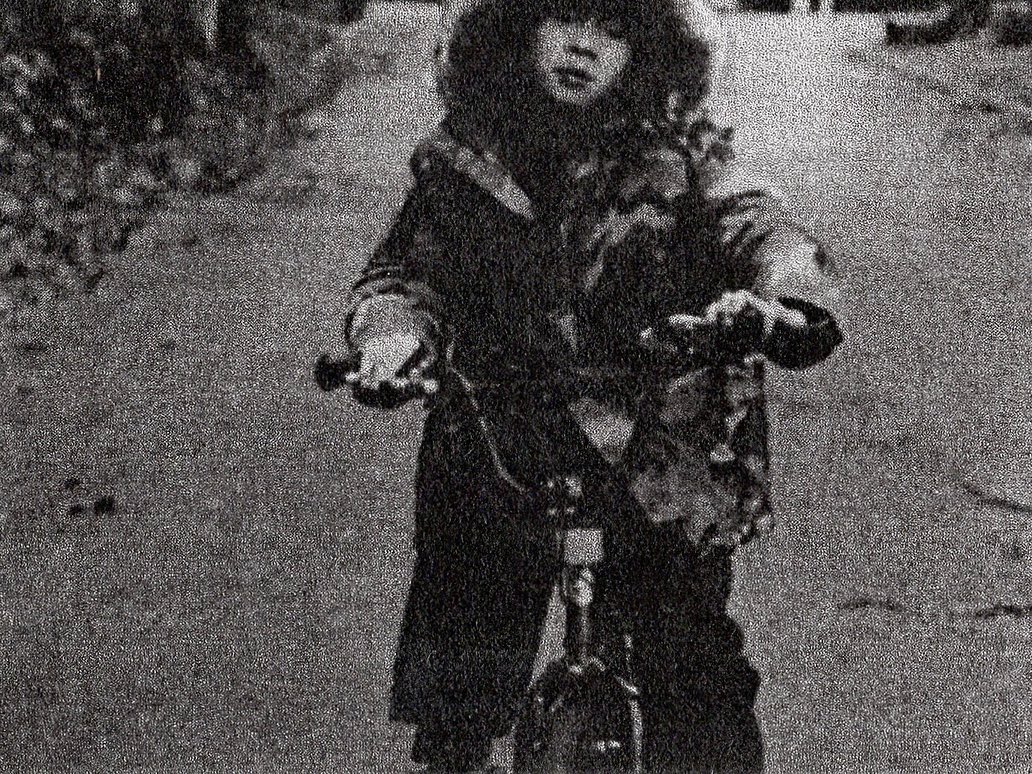
The scanned images making up the Better music video give the digitally shot frames an extremely handmade and analog look and feel. Courtesy of Lin You.
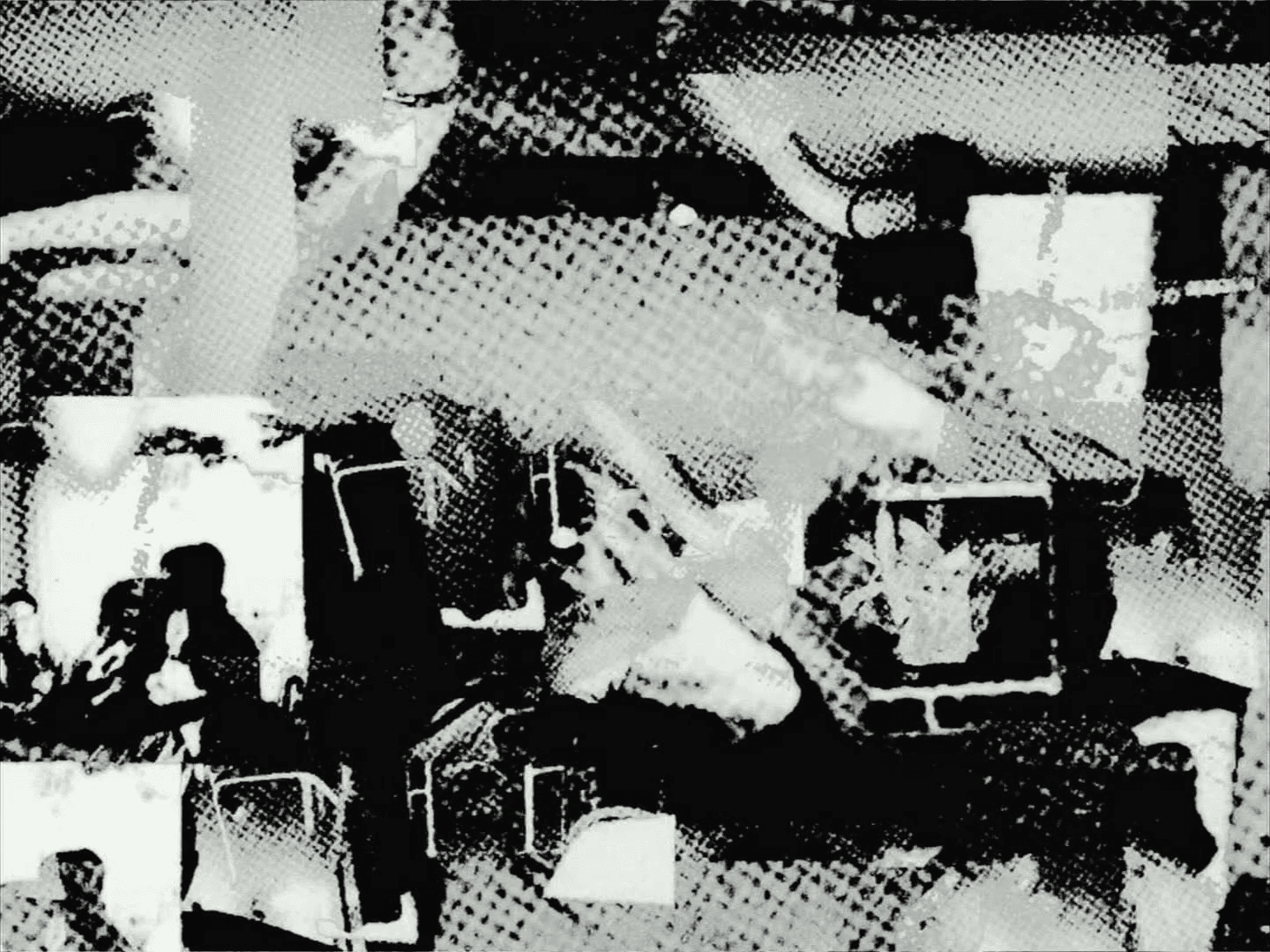
In contrast, the intense layering of digital effects in the Beijing music video adds an experimental aspect as well as visual interest to the project. Courtesy of AN ORCHID (Iain Delavan and Lin You) and [7th Heaven].
Lin
There was also a lot of artists that inspired me in that way of finding style. One of my favorite filmmakers, he's a commercial director, but he uses the scanning technique in some of his music videos and I really like him, his name is Frank Le Bon. So his stuff has really inspired me because that showed me that, “Oh, maybe there is some sort of commercial potential in hybrid media or in mixed media films.” And then scanning was also a whole trend for a while, it became kind of trendy to scan and to mess with the frames for a bit. But I don't think [I’m ever] trying to adhere to a style because it is trendy in that moment. I think it's just kind of meaningless to do that.
So yeah, I guess [my style] is just coming from a lot of ways. Like, I'm obviously a major film buff, so live-action and animation. Fantastic Planet was a crazy animated film that really warped my brain. There's a zillion live-action films that also really shifted me. I guess one that comes to mind is Gummo, with how it depicts the world and the strange characters. So those are all things that play into how I come up with story and video and how I shoot and the way I want to shoot today, I suppose. If that answers your question.
Lin
There was also a lot of artists that inspired me in that way of finding style. One of my favorite filmmakers, he's a commercial director, but he uses the scanning technique in some of his music videos and I really like him, his name is Frank Le Bon. So his stuff has really inspired me because that showed me that, “Oh, maybe there is some sort of commercial potential in hybrid media or in mixed media films.” And then scanning was also a whole trend for a while, it became kind of trendy to scan and to mess with the frames for a bit. But I don't think [I’m ever] trying to adhere to a style because it is trendy in that moment. I think it's just kind of meaningless to do that.
So yeah, I guess [my style] is just coming from a lot of ways. Like, I'm obviously a major film buff, so live-action and animation. Fantastic Planet was a crazy animated film that really warped my brain. There's a zillion live-action films that also really shifted me. I guess one that comes to mind is Gummo, with how it depicts the world and the strange characters. So those are all things that play into how I come up with story and video and how I shoot and the way I want to shoot today, I suppose. If that answers your question.
Elicit
Yeah, it definitely does. This is a personal side question, but I’m really curious. Do you have a favorite movie? I know that’s a really hard question.
Elicit
Yeah, it definitely does. This is a personal side question, but I’m really curious. Do you have a favorite movie? I know that’s a really hard question.
Lin
[laughs] That is really hard. I mean, I usually just answer with many favorites or many favorite filmmakers. I guess some of my favorites—can I name multiple?
Lin
[laughs] That is really hard. I mean, I usually just answer with many favorites or many favorite filmmakers. I guess some of my favorites—can I name multiple?
Elicit
Yeah, I’m not going to be strict about it. [laughs]
Elicit
Yeah, I’m not going to be strict about it. [laughs]
Lin
Okay. I mean, John Cassavetes, a lot of his work. So there's The Killing of a Chinese Bookie, and then there's A Woman Under the Influence, one of my favorites. What else did I see recently? A Clockwork Orange, honestly. I really like the look and style of that movie. All About Lily Chou-Chou, that was a really big one, actually. That was actually one of the films that had got me into wanting to make narrative films, live-action films, instead of purely animation, because it clicked with me right away. That's definitely one of my favorites. [looking around] Wait, I'm trying to see if I had my Lily Chou-Chou book. I don't. Anyway.
Lin
Okay. I mean, John Cassavetes, a lot of his work. So there's The Killing of a Chinese Bookie, and then there's A Woman Under the Influence, one of my favorites. What else did I see recently? A Clockwork Orange, honestly. I really like the look and style of that movie. All About Lily Chou-Chou, that was a really big one, actually. That was actually one of the films that had got me into wanting to make narrative films, live-action films, instead of purely animation, because it clicked with me right away. That's definitely one of my favorites. [looking around] Wait, I'm trying to see if I had my Lily Chou-Chou book. I don't. Anyway.
Elicit
Wait, did you say that you have a book for Lily Chou-Chou?
Elicit
Wait, did you say that you have a book for Lily Chou-Chou?
Lin
Yeah, because I was recently shooting in Hong Kong, actually, my own short film that was just recently completed. And then I went to this cafe and then I saw this book, this Chinese book of All About Lily Chou-Chou, and it was just on the counter and I was like, “Holy crap, it's at a cafe, can I buy it?” And then they ended up giving it to me for free because I was telling them how I was just shooting right nearby, and then they let me have it. So I have a book on that now, in Chinese too, so that's pretty fun.
Lin
Yeah, because I was recently shooting in Hong Kong, actually, my own short film that was just recently completed. And then I went to this cafe and then I saw this book, this Chinese book of All About Lily Chou-Chou, and it was just on the counter and I was like, “Holy crap, it's at a cafe, can I buy it?” And then they ended up giving it to me for free because I was telling them how I was just shooting right nearby, and then they let me have it. So I have a book on that now, in Chinese too, so that's pretty fun.
Elicit
That’s so cool!
Elicit
That’s so cool!
Lin
Yeah, so I guess those are some of my inspirations. I do like some Harmony Korine, not all. I really liked Gummo. There's a lot of Japanese filmmakers too, like earlier Japanese filmmakers that I like. Basic answer, Wong Kar-wai. I think the shutter stuff was also a big influence on me. Trying to think… I like Antonioni too. That's getting really, really far back. I mean, I could say I like all of the early film inventors, like what's that surrealist filmmaker who I just bought a book from? Crap. What's her name? There's a female filmmaker from the 40s who made all of these weird, kind of surreal, like barely film, there's barely any story, but you feel this atmosphere and something's a little off. I will remember her name in a second, but she's also one of my early inspirations. She did Meshes of the Afternoon. That's the film. I cannot read the filmmaker's name, but she was one of my... You said to name a favorite movie and I named like 20, but anyways. [laughs]
Lin
Yeah, so I guess those are some of my inspirations. I do like some Harmony Korine, not all. I really liked Gummo. There's a lot of Japanese filmmakers too, like earlier Japanese filmmakers that I like. Basic answer, Wong Kar-wai. I think the shutter stuff was also a big influence on me. Trying to think… I like Antonioni too. That's getting really, really far back. I mean, I could say I like all of the early film inventors, like what's that surrealist filmmaker who I just bought a book from? Crap. What's her name? There's a female filmmaker from the 40s who made all of these weird, kind of surreal, like barely film, there's barely any story, but you feel this atmosphere and something's a little off. I will remember her name in a second, but she's also one of my early inspirations. She did Meshes of the Afternoon. That's the film. I cannot read the filmmaker's name, but she was one of my... You said to name a favorite movie and I named like 20, but anyways. [laughs]
Elicit
No, that's great! One of my favorite things to do is to ask people who either work in film or are really into film what their favorite movie is. I think you always get a different answer, and I think it shows a lot about someone too—not in a judgmental way, but in a really cool “learn about you” kind of way.
Elicit
No, that's great! One of my favorite things to do is to ask people who either work in film or are really into film what their favorite movie is. I think you always get a different answer, and I think it shows a lot about someone too—not in a judgmental way, but in a really cool “learn about you” kind of way.
Lin
Yeah. Oh, one more filmmaker, Michael Haneke. I mean, I don't like all of his stuff. I think a lot of his stuff is too disturbing, but I think his filmmaking is interesting. I like how he uses the camera to sometimes even [withhold] information. Anyway, sorry. I feel like the favorite movie question is almost similar to asking people what music they listen to and everyone always says everything—NOBODY listens to everything. They are lying because nobody listens to everything. But then with movies, it's like no answer because nobody wants to answer the question. [laughs]
Lin
Yeah. Oh, one more filmmaker, Michael Haneke. I mean, I don't like all of his stuff. I think a lot of his stuff is too disturbing, but I think his filmmaking is interesting. I like how he uses the camera to sometimes even [withhold] information. Anyway, sorry. I feel like the favorite movie question is almost similar to asking people what music they listen to and everyone always says everything—NOBODY listens to everything. They are lying because nobody listens to everything. But then with movies, it's like no answer because nobody wants to answer the question. [laughs]
I guess now for me, it's more about like, “Why does this need to be stylish as opposed to stripped down?” It would really have to be important why I'm doing it.
I guess now for me, it's more about like, “Why does this need to be stylish as opposed to stripped down?” It would really have to be important why I'm doing it.
Elicit
But yeah, that was just me wanting to ask that question, I kind of sidetracked things. But I was curious, when I had brought up Beijing when I first reached out, I did it because that was my first introduction to some of your work. And I found it really interesting that you talked about how you might not be able to recreate either that video or some of your other experiments now. And I’m curious why you think that might be, what has changed from then until now?
Elicit
But yeah, that was just me wanting to ask that question, I kind of sidetracked things. But I was curious, when I had brought up Beijing when I first reached out, I did it because that was my first introduction to some of your work. And I found it really interesting that you talked about how you might not be able to recreate either that video or some of your other experiments now. And I’m curious why you think that might be, what has changed from then until now?
Lin
I do think that style changes as you develop as an artist, whatever kind of artist you may be, style will change. But I do think that a part of what shaped me was wanting to make bigger scale work. That's why I got slightly away from music videos and now I'm doing more narrative work. Because frankly, a really experimental hybrid video is just extremely less likely to perform well in a festival circuit setting. It could in a gallery setting, but that's not really where I want to go. So I guess it's on the route to becoming more “legit,” as opposed to just posting stuff online. There are changes that had to be made for the purposes of telling a more cohesive and accessible story. So I would say that's mainly why. But if somebody were to ask me, to commission me, to make a really crazy music video again, I could probably still do that. But it wouldn't really be my go-to choice now. I guess now for me, it's more about like, “Why does this need to be stylish as opposed to stripped down?” It would really have to be important why I'm doing it.
And I do think I try to integrate that style in other ways too. For example, I'm shooting a different short film soon, and instead of making it directly mixed media, as in adding animation into the film straight on, I'm just having [a] bunch of crazy drawings be props in the space of one of the characters' rooms, because the movie is about a kid and she would have all of these drawings. So I'm trying to integrate my “style” in other ways that are a little bit more subtle, I guess.
Lin
I do think that style changes as you develop as an artist, whatever kind of artist you may be, style will change. But I do think that a part of what shaped me was wanting to make bigger scale work. That's why I got slightly away from music videos and now I'm doing more narrative work. Because frankly, a really experimental hybrid video is just extremely less likely to perform well in a festival circuit setting. It could in a gallery setting, but that's not really where I want to go. So I guess it's on the route to becoming more “legit,” as opposed to just posting stuff online. There are changes that had to be made for the purposes of telling a more cohesive and accessible story. So I would say that's mainly why. But if somebody were to ask me, to commission me, to make a really crazy music video again, I could probably still do that. But it wouldn't really be my go-to choice now. I guess now for me, it's more about like, “Why does this need to be stylish as opposed to stripped down?” It would really have to be important why I'm doing it.
And I do think I try to integrate that style in other ways too. For example, I'm shooting a different short film soon, and instead of making it directly mixed media, as in adding animation into the film straight on, I'm just having [a] bunch of crazy drawings be props in the space of one of the characters' rooms, because the movie is about a kid and she would have all of these drawings. So I'm trying to integrate my “style” in other ways that are a little bit more subtle, I guess.
Elicit
And I guess in ways that you think are more meaningful also.
Elicit
And I guess in ways that you think are more meaningful also.
Lin
Yeah. I think it does expand, also. The style doesn't have to be limited to just this black and white, or it doesn't have to always be drawings, it could be bigger and it could be different and it could be still stylish, I guess, just in a more story sense, if that makes sense.
Lin
Yeah. I think it does expand, also. The style doesn't have to be limited to just this black and white, or it doesn't have to always be drawings, it could be bigger and it could be different and it could be still stylish, I guess, just in a more story sense, if that makes sense.
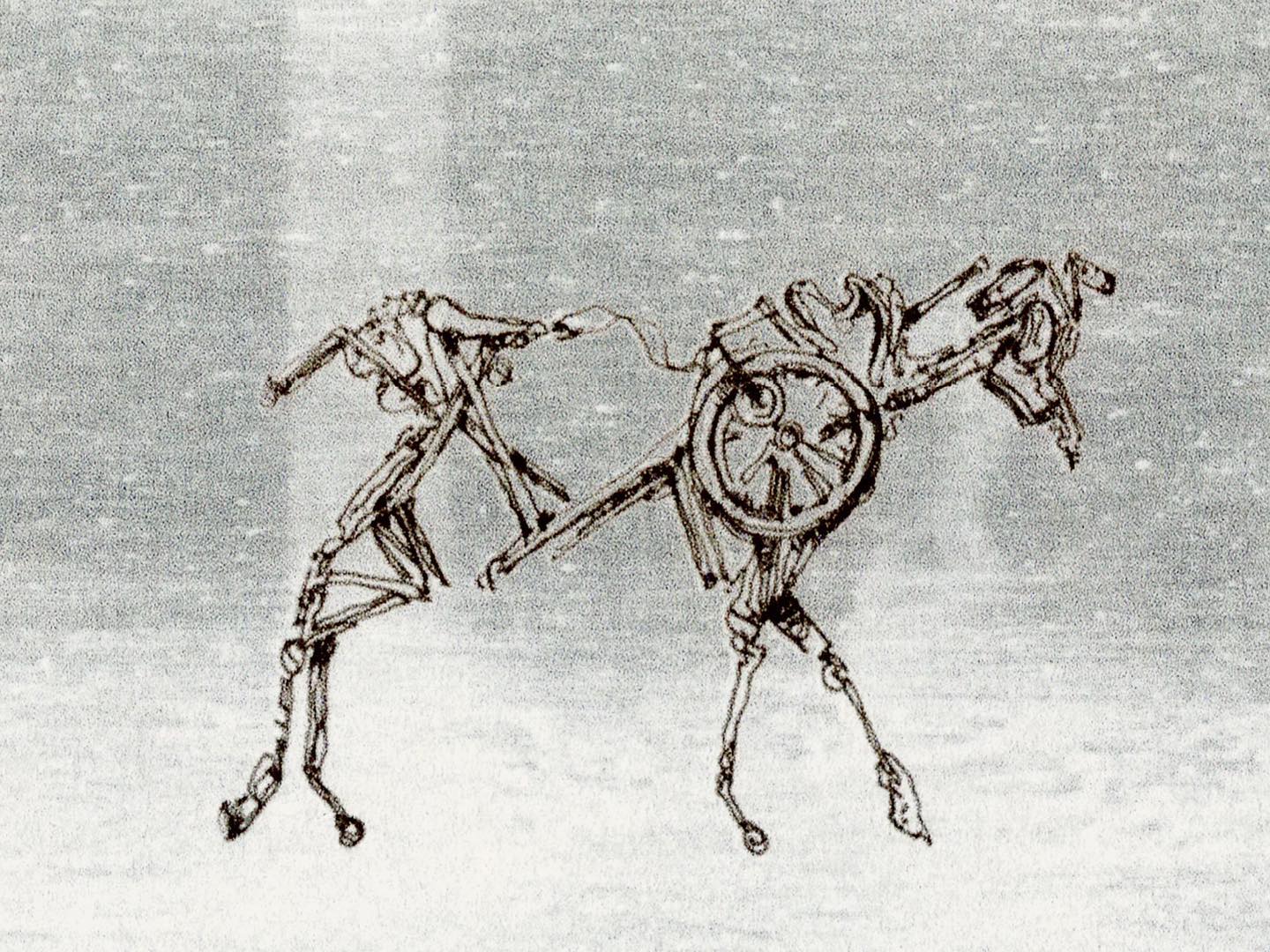
Lin’s intricate illustrations often find a place in her other works, whether as animations or as props. Image from Better, courtesy of Lin You.
Lin’s intricate illustrations often find a place in her other works, whether as animations or as props. Image from Better, courtesy of Lin You.
Elicit
You’ve mentioned how kind of moving away from that, you think you might be able to find more success in the film [festival] circuit. I know you’ve mentioned that and also have talked a little bit about if mixed media art could be commercially viable. Do you want to elaborate on that?
Elicit
You’ve mentioned how kind of moving away from that, you think you might be able to find more success in the film [festival] circuit. I know you’ve mentioned that and also have talked a little bit about if mixed media art could be commercially viable. Do you want to elaborate on that?
Lin
Yeah. I guess there's a few things, right? With the festival circuit, that's like narrative film, that's story, and inherently, there are already a few things that must be done. You have to grab the audience's attention. You have to be able to meaningfully convey something. You don't have to even have a narrative arc in the film, but that does depend on how accessible you want it to be. So I guess film inherently is a lot more accessible to a general audience, whereas stuff like this crazy mixed media videos are not in the same way. I think most of them are very aesthetic. Sometimes it's not for aesthetic purposes, obviously, but sometimes it is.
There is also that gallery audience where you're not limited to having to tell a story. You can just make crazy shit, but the crazy shit has to have meaning. And then that goes into a gallery and then people walk in and then they walk out and then they see this glimpse of this thing, of this video, that you created. That's a way that people go. There's a bunch of video artists that have made it work that way. But there's also a bunch of video artists that have made it work in a festival setting and that way. I mean, maybe it's possible. I just don't really see myself making crazy experimental videos for the gallery because it's just not really for me. I do draw a lot and I paint sometimes. So if I were to want to have a work in a gallery, it'd probably end up being some sort of painting or installation. But I guess that just kind of feeds into my whole thing of wanting to get out of being completely just online and independent, and wanting to establish more presence in not necessarily mainstream, but just have more of my work seen by a bigger audience. The desire to go to a festival and make more narrative work comes from that wanting to reach a bigger audience.
Which is a little sad that I can't just post cool “whatever I want to make” movies online. I mean, I could. [laughs] But that's the path that a lot of artists at this time would take, is like, “Do I want to stay online? Do I want to reach... how do I want to establish myself?” Because I also don't see myself ever just making a bunch of Reels for the sake of engagement. I just don't really see the purpose in doing that for me. I completely respect anybody that [does] and [makes] it work and that's fine. But for me, my way of reaching a bigger audience is probably through this film circuit.
Lin
Yeah. I guess there's a few things, right? With the festival circuit, that's like narrative film, that's story, and inherently, there are already a few things that must be done. You have to grab the audience's attention. You have to be able to meaningfully convey something. You don't have to even have a narrative arc in the film, but that does depend on how accessible you want it to be. So I guess film inherently is a lot more accessible to a general audience, whereas stuff like this crazy mixed media videos are not in the same way. I think most of them are very aesthetic. Sometimes it's not for aesthetic purposes, obviously, but sometimes it is.
There is also that gallery audience where you're not limited to having to tell a story. You can just make crazy shit, but the crazy shit has to have meaning. And then that goes into a gallery and then people walk in and then they walk out and then they see this glimpse of this thing, of this video, that you created. That's a way that people go. There's a bunch of video artists that have made it work that way. But there's also a bunch of video artists that have made it work in a festival setting and that way. I mean, maybe it's possible. I just don't really see myself making crazy experimental videos for the gallery because it's just not really for me. I do draw a lot and I paint sometimes. So if I were to want to have a work in a gallery, it'd probably end up being some sort of painting or installation. But I guess that just kind of feeds into my whole thing of wanting to get out of being completely just online and independent, and wanting to establish more presence in not necessarily mainstream, but just have more of my work seen by a bigger audience. The desire to go to a festival and make more narrative work comes from that wanting to reach a bigger audience.
Which is a little sad that I can't just post cool “whatever I want to make” movies online. I mean, I could. [laughs] But that's the path that a lot of artists at this time would take, is like, “Do I want to stay online? Do I want to reach... how do I want to establish myself?” Because I also don't see myself ever just making a bunch of Reels for the sake of engagement. I just don't really see the purpose in doing that for me. I completely respect anybody that [does] and [makes] it work and that's fine. But for me, my way of reaching a bigger audience is probably through this film circuit.
Elicit
Yeah, I think you touched on a lot of really interesting things that I’ve also been seeing in my interviews with a lot of people who maybe are still staying online and also wanting to reach a bigger audience, but not wanting to do the Reels thing like you said. I think that’s a really interesting trend, and I like how you are showing that there might be another way of reaching a bigger audience without having to stay strictly online or play the “content game,” I guess, which I’ve heard a lot of other creators talking about.
Elicit
Yeah, I think you touched on a lot of really interesting things that I’ve also been seeing in my interviews with a lot of people who maybe are still staying online and also wanting to reach a bigger audience, but not wanting to do the Reels thing like you said. I think that’s a really interesting trend, and I like how you are showing that there might be another way of reaching a bigger audience without having to stay strictly online or play the “content game,” I guess, which I’ve heard a lot of other creators talking about.
Lin
I mean, I do also think the content game is a little bit like—maybe I've been reading too much random critical theory recently—but I feel like the content game is a little bit like, already when you're on your phone, you're scrolling, a lot of the time you can't really digest something really deeply, you just see it for three seconds and it's gone. And I do think in a lot of cases Reels are just copies of copies—I mean, trends are like copies and copies of copies—and I think it's really hard to stand out if you exist only purely online, as opposed to if you were to establish some sort of real-world presence with your work and then also share that online. To me, I think that's a little bit more [of] an effective way to exist as an artist. But I mean, I can name one of my favorite artists—it's not Reels, it's YouTube videos—that has inspired me, Victoria Vincent, vewn. I don't know if you've ever heard of her.
Lin
I mean, I do also think the content game is a little bit like—maybe I've been reading too much random critical theory recently—but I feel like the content game is a little bit like, already when you're on your phone, you're scrolling, a lot of the time you can't really digest something really deeply, you just see it for three seconds and it's gone. And I do think in a lot of cases Reels are just copies of copies—I mean, trends are like copies and copies of copies—and I think it's really hard to stand out if you exist only purely online, as opposed to if you were to establish some sort of real-world presence with your work and then also share that online. To me, I think that's a little bit more [of] an effective way to exist as an artist. But I mean, I can name one of my favorite artists—it's not Reels, it's YouTube videos—that has inspired me, Victoria Vincent, vewn. I don't know if you've ever heard of her.
Elicit
Yeah, I think she actually got brought up in one of my last interviews also.
Elicit
Yeah, I think she actually got brought up in one of my last interviews also.
Lin
Oh, really? Yeah, no, she was one of the—I mean, I did at one point, when I was a lot younger, think I would just be an online artist, but I did eventually get out of that. Because it does depend on what you want to get out of being an artist or filmmaker or whatever, it just depends. But vewn, her stuff exists online, but I know in person that she also goes the rounds and meets a lot of people. And most people know her through all of these crazy animations that she makes online, but she, at the same time, has a presence in real life. And I think that is something that I also value, is a little bit of both, I guess. I think they accentuate each other, if anything.
Lin
Oh, really? Yeah, no, she was one of the—I mean, I did at one point, when I was a lot younger, think I would just be an online artist, but I did eventually get out of that. Because it does depend on what you want to get out of being an artist or filmmaker or whatever, it just depends. But vewn, her stuff exists online, but I know in person that she also goes the rounds and meets a lot of people. And most people know her through all of these crazy animations that she makes online, but she, at the same time, has a presence in real life. And I think that is something that I also value, is a little bit of both, I guess. I think they accentuate each other, if anything.
Elicit
And on the topic of having that real-world presence in order to have your art reach a larger audience, what things did you do to either try to establish that or still hope to do to increase that presence for yourself?
Elicit
And on the topic of having that real-world presence in order to have your art reach a larger audience, what things did you do to either try to establish that or still hope to do to increase that presence for yourself?
Being in a scene. I think that's what's important for me, is being a part of a scene and a part of a community of artists who love your taste, want to work with you, and that you also like their taste and you kind of all bring each other up.
Being in a scene. I think that's what's important for me, is being a part of a scene and a part of a community of artists who love your taste, want to work with you, and that you also like their taste and you kind of all bring each other up.
Lin
[laughs] I have a fun answer for this. There's a few things. Well, the first thing, which is the present, which I have already talked about 50 times, is festivals. That is what I'm working towards now. I have had work in festivals already, a couple of them, but not anything like… I guess my goal right now is [that] I want to hit one of the major festivals and hopefully that'll reach a bigger audience and then that'll actually then enable me to create more projects with more style that I'm passionate about. Because then, once I have that audience, maybe I get hyper-industrialized and then get an agent or something, and then they can find me some more commercial music video work that fits into my style. And then I can also make the narrative stuff I want to make. So that is one thing, I guess.
And then the other thing that is really fun about my “real-world” presence is that I'm actually a really—so I've lived in a few different places. Last year I stayed in L.A. because I was working for a record label, and then I also lived in London for a while. And during all of those times, I would try to reach out to a bunch of musicians or other artists and try to just hang out with them. Like, I would just be friends with them. And then what ended up happening a lot, actually, just throughout the past two years, is I just ended up partying a lot. [laughs] So I would end up partying with all of these people, and then all of these people would introduce me to new friends, and then these people would know more of these people and most of them end up being various levels of artists and creatives and photographers. I would say actually most of the people in my circle are musicians and photographers as opposed to other artists, because they're very adjacent. I mean, I'm also kind of a photographer, but I don't call myself that really.
All of these artists exist in communities that are adjacent to each other, especially those who have similar tastes, and a lot of them are just wanting to hang out and dance all the time. So you meet these people and then you meet more of these people and then you get their Instagram and then you hang out more and then you start going to the same places they go to and then they're always there. And then, “Oh, this rave is happening. I'm going to this rave.” And then you go to this rave and then you see eight of these people that you follow on Instagram that make all of this cool stuff. I don't know why, this is just what ends up happening, I guess, especially in the music and photography sphere, people just hanging out in the same places. So it started out with reaching out to literally one person just to be friends with them or to do a shoot. A lot of the time I'd be like, “Hey girl, let's do a shoot.” And then we get to be friends and then you get to know more of these people. And then, “Oh hey, this random person who's friends with this random person likes your style. Let's do a music video.” Stuff like that, it just starts happening.
I think that also applies to any artists, just kind of meeting other artists. Being in a scene. I think that's what's important for me, is being a part of a scene and a part of a community of artists who love your taste, want to work with you, and that you also like their taste and you kind of all bring each other up. I think that is what's important. When I was in London, I was in that kind of indie music scene in London. And then here in New York, where I live now, I'm trying to get back into it. I'm a little bit more distant because I'm more focused on my own work now. But yeah, it's this culture of these photography, club kids, music kids, and then they all end up bringing each other up, if that makes sense. So that's the other thing I was going to say.
Lin
[laughs] I have a fun answer for this. There's a few things. Well, the first thing, which is the present, which I have already talked about 50 times, is festivals. That is what I'm working towards now. I have had work in festivals already, a couple of them, but not anything like… I guess my goal right now is [that] I want to hit one of the major festivals and hopefully that'll reach a bigger audience and then that'll actually then enable me to create more projects with more style that I'm passionate about. Because then, once I have that audience, maybe I get hyper-industrialized and then get an agent or something, and then they can find me some more commercial music video work that fits into my style. And then I can also make the narrative stuff I want to make. So that is one thing, I guess.
And then the other thing that is really fun about my “real-world” presence is that I'm actually a really—so I've lived in a few different places. Last year I stayed in L.A. because I was working for a record label, and then I also lived in London for a while. And during all of those times, I would try to reach out to a bunch of musicians or other artists and try to just hang out with them. Like, I would just be friends with them. And then what ended up happening a lot, actually, just throughout the past two years, is I just ended up partying a lot. [laughs] So I would end up partying with all of these people, and then all of these people would introduce me to new friends, and then these people would know more of these people and most of them end up being various levels of artists and creatives and photographers. I would say actually most of the people in my circle are musicians and photographers as opposed to other artists, because they're very adjacent. I mean, I'm also kind of a photographer, but I don't call myself that really.
All of these artists exist in communities that are adjacent to each other, especially those who have similar tastes, and a lot of them are just wanting to hang out and dance all the time. So you meet these people and then you meet more of these people and then you get their Instagram and then you hang out more and then you start going to the same places they go to and then they're always there. And then, “Oh, this rave is happening. I'm going to this rave.” And then you go to this rave and then you see eight of these people that you follow on Instagram that make all of this cool stuff. I don't know why, this is just what ends up happening, I guess, especially in the music and photography sphere, people just hanging out in the same places. So it started out with reaching out to literally one person just to be friends with them or to do a shoot. A lot of the time I'd be like, “Hey girl, let's do a shoot.” And then we get to be friends and then you get to know more of these people. And then, “Oh hey, this random person who's friends with this random person likes your style. Let's do a music video.” Stuff like that, it just starts happening.
I think that also applies to any artists, just kind of meeting other artists. Being in a scene. I think that's what's important for me, is being a part of a scene and a part of a community of artists who love your taste, want to work with you, and that you also like their taste and you kind of all bring each other up. I think that is what's important. When I was in London, I was in that kind of indie music scene in London. And then here in New York, where I live now, I'm trying to get back into it. I'm a little bit more distant because I'm more focused on my own work now. But yeah, it's this culture of these photography, club kids, music kids, and then they all end up bringing each other up, if that makes sense. So that's the other thing I was going to say.
Elicit
I think that is a really fun answer, where it really is just going out and meeting people and building that community. Because I’ve also heard stories from friends of friends who were in New York, and then they would happen to know bands that we liked. It really feels like, despite being a big city, it feels like everyone knows each other in certain scenes.
Elicit
I think that is a really fun answer, where it really is just going out and meeting people and building that community. Because I’ve also heard stories from friends of friends who were in New York, and then they would happen to know bands that we liked. It really feels like, despite being a big city, it feels like everyone knows each other in certain scenes.
Lin
Yeah, definitely. I think the environment is completely important and a big influence on any artist. Where you live is going to largely impact your style and what you want to say and how you do it.
Lin
Yeah, definitely. I think the environment is completely important and a big influence on any artist. Where you live is going to largely impact your style and what you want to say and how you do it.
Elicit
That’s super cool. It sounds really exciting also, to just be creating art in such a rich environment with so many people around too.
I also wanted to ask you, you had released your mixed media publication Good Night last year. I think that’s such an interesting project that you did, and I was really curious on how the idea for that came about, and also why you decided to have the final outcome be in a publication?
Elicit
That’s super cool. It sounds really exciting also, to just be creating art in such a rich environment with so many people around too.
I also wanted to ask you, you had released your mixed media publication Good Night last year. I think that’s such an interesting project that you did, and I was really curious on how the idea for that came about, and also why you decided to have the final outcome be in a publication?
Lin
Yeah, so that's actually super fun. That project doesn't get—I actually am doing a second edition now because, hold on, wait. [stands up to grab the book] So the first edition I did, I only did like 36 books and I did all of them myself. So it's all Risograph and I printed them all myself. And I know it's actually an incredible amount of work, but then I kind of gauged—okay, wait, this is the next part. I'll answer the first part first.
So why a book? So initially I had just wanted to make a zine, actually, because I was in London at that time and I got to know a bunch of these artists who were just around me, and I had wanted to meet other artists too. And I was just thinking, “I feel like I need to celebrate this time with a new sort of project.” So actually, during that time, I was also doing [an] abroad semester at Central Saint Martins, and I was studying fashion communication. And that was a lot of people who would do photography and then they would put their photography in the form of a publication, either through magazines or they would just make their own little book or publication of photographs. A lot of them have actually nothing to do with fashion, but they would do it anyway about their interests.
And at first itwas going to be a zine about the music scene, and I had wanted to photograph a lot of people and also draw alongside it. But then I kind of realized that it wasn't really a feasible and digestible… It wasn't so interesting in the way that I had hoped it would be interesting. I had more thoughts about it. And then eventually I kind of realized like, “Oh, why don't I just go back to my roots and do a little flip book?” So the book is actually a flip book. And it's—I can show you some pages—but it's mostly image collage and text. But there is an animation, it's happening. It's very hard to see, but the animation is actually, at first, [an] online video of this—I don't know if you've seen it. It's kind of like this Brat video. It's a girl dancing, and there's a completely green [background], and then there's arrows on the ground, it's an iPod video or something. And I just resonated with that because I felt like during that time, I was going out a lot and I was meeting a lot of people. And then I had always just had a lot of thoughts about it. So the book is about good night because it kind of is about what a “good night” means, really. And a lot of the drawings that ended up in there are made in weird circumstances and are not only on paper. Some of them are receipts, some of them are memes, some of them are photographs that I took during a night that are intersected with it. And I guess it's about context and reinterpreting the idea of a night out, but also a night in, and what all of that means.
And I was having all of these thoughts and this publication was my way of distilling all of that into a format that other people can experience and hold. I think to me, it was kind of important that this felt like an object, like an art object almost. I wanted it to be something that people can have in their hands and go back and forth, as opposed to if it’s a video, maybe they're looking at it through their screen, they're scrolling through it and then it's just in the back of their mind. But I wanted this to be something that people can have and own and be a part of their collection in some sort of way. So I guess that was a big part of it. It was the environment around me, everyone around me doing publications during that time. I was getting really into magazines, collecting them and all of that. So that book aspect, wanting to create a book. And then also just people being receptive to the idea really helped. The store that [I] had launched the book in, Waste Store London, is this really cool store that hosts a bunch of these indie artists. Some of them [are] not even so indie, some of them are big, but they just have stuff in the store that they make that are really, really, really cool. And they were willing to have me launch the book there. And that to me was enough motivation to just even make it. Because this place that symbolizes so much of this scene was willing to have me be a part of it. And that was really awesome. So I guess it was just all of those things.
And yeah, I'm actually releasing a second edition for the book that I did not print this time, and it's not Risograph, but it's the same exact thing. And that's coming in bulk soon and I'm going to try to find a distributor for that. Because yeah, I only have so much time and attention span in my head. I can't quite do another book, even if I want to. I think maybe that's why I don't think I can do that much stylish work in the form of video now, because I feel like I can do that in the form of book. I don't know, it just feels more intimate in a way. I want it to be something that people can hold and see. That to me was really important. And videos are sometimes just like a memory, you know? So yeah, that's that.
Lin
Yeah, so that's actually super fun. That project doesn't get—I actually am doing a second edition now because, hold on, wait. [stands up to grab the book] So the first edition I did, I only did like 36 books and I did all of them myself. So it's all Risograph and I printed them all myself. And I know it's actually an incredible amount of work, but then I kind of gauged—okay, wait, this is the next part. I'll answer the first part first.
So why a book? So initially I had just wanted to make a zine, actually, because I was in London at that time and I got to know a bunch of these artists who were just around me, and I had wanted to meet other artists too. And I was just thinking, “I feel like I need to celebrate this time with a new sort of project.” So actually, during that time, I was also doing [an] abroad semester at Central Saint Martins, and I was studying fashion communication. And that was a lot of people who would do photography and then they would put their photography in the form of a publication, either through magazines or they would just make their own little book or publication of photographs. A lot of them have actually nothing to do with fashion, but they would do it anyway about their interests.
And at first itwas going to be a zine about the music scene, and I had wanted to photograph a lot of people and also draw alongside it. But then I kind of realized that it wasn't really a feasible and digestible… It wasn't so interesting in the way that I had hoped it would be interesting. I had more thoughts about it. And then eventually I kind of realized like, “Oh, why don't I just go back to my roots and do a little flip book?” So the book is actually a flip book. And it's—I can show you some pages—but it's mostly image collage and text. But there is an animation, it's happening. It's very hard to see, but the animation is actually, at first, [an] online video of this—I don't know if you've seen it. It's kind of like this Brat video. It's a girl dancing, and there's a completely green [background], and then there's arrows on the ground, it's an iPod video or something. And I just resonated with that because I felt like during that time, I was going out a lot and I was meeting a lot of people. And then I had always just had a lot of thoughts about it. So the book is about good night because it kind of is about what a “good night” means, really. And a lot of the drawings that ended up in there are made in weird circumstances and are not only on paper. Some of them are receipts, some of them are memes, some of them are photographs that I took during a night that are intersected with it. And I guess it's about context and reinterpreting the idea of a night out, but also a night in, and what all of that means.
And I was having all of these thoughts and this publication was my way of distilling all of that into a format that other people can experience and hold. I think to me, it was kind of important that this felt like an object, like an art object almost. I wanted it to be something that people can have in their hands and go back and forth, as opposed to if it’s a video, maybe they're looking at it through their screen, they're scrolling through it and then it's just in the back of their mind. But I wanted this to be something that people can have and own and be a part of their collection in some sort of way. So I guess that was a big part of it. It was the environment around me, everyone around me doing publications during that time. I was getting really into magazines, collecting them and all of that. So that book aspect, wanting to create a book. And then also just people being receptive to the idea really helped. The store that [I] had launched the book in, Waste Store London, is this really cool store that hosts a bunch of these indie artists. Some of them [are] not even so indie, some of them are big, but they just have stuff in the store that they make that are really, really, really cool. And they were willing to have me launch the book there. And that to me was enough motivation to just even make it. Because this place that symbolizes so much of this scene was willing to have me be a part of it. And that was really awesome. So I guess it was just all of those things.
And yeah, I'm actually releasing a second edition for the book that I did not print this time, and it's not Risograph, but it's the same exact thing. And that's coming in bulk soon and I'm going to try to find a distributor for that. Because yeah, I only have so much time and attention span in my head. I can't quite do another book, even if I want to. I think maybe that's why I don't think I can do that much stylish work in the form of video now, because I feel like I can do that in the form of book. I don't know, it just feels more intimate in a way. I want it to be something that people can hold and see. That to me was really important. And videos are sometimes just like a memory, you know? So yeah, that's that.
A flip through of Lin’s flipbook publication at Waste Store London, showing off each detailed frame as an individual page. Courtesy of Lin You on Instagram.
An animated loop of Good Night’s animation. Amidst all the different illustrations, photos, and materials, you can see the dancing woman referenced from this iPod Shuffle commercial. Courtesy of Lin You.
An animated loop of Good Night’s animation. Amidst all the different illustrations, photos, and materials, you can see the dancing woman referenced from this iPod Shuffle commercial. Courtesy of Lin You.
Elicit
Yeah, I feel really similarly about books, and I love having media that I can hold. When I was going through your work, I saw that project of yours and I thought it was so special. Because I think at first, I had just seen the animation that you had posted, but when I saw that it was actually a book, it felt like, “Oh yeah, this is what it actually is in its fullest form.” And I love that each frame gets its own space on the page so you can, like you said, go back and forth and look at them.
Elicit
Yeah, I feel really similarly about books, and I love having media that I can hold. When I was going through your work, I saw that project of yours and I thought it was so special. Because I think at first, I had just seen the animation that you had posted, but when I saw that it was actually a book, it felt like, “Oh yeah, this is what it actually is in its fullest form.” And I love that each frame gets its own space on the page so you can, like you said, go back and forth and look at them.
Lin
Thank you. Yeah, I guess books are a good way to be really expressive in a unique way, but at the same time still… yeah, I guess maybe books are my other outlet now besides this super narrative storytelling stuff. Because books are just, I don't know, they're fun to make, they're cute. I don't know, I like books. [laughs]
Lin
Thank you. Yeah, I guess books are a good way to be really expressive in a unique way, but at the same time still… yeah, I guess maybe books are my other outlet now besides this super narrative storytelling stuff. Because books are just, I don't know, they're fun to make, they're cute. I don't know, I like books. [laughs]
Elicit
But I guess as we wrap things up, you mentioned that you have a film out on the festival circuit right now. Do you want to talk any about that, and also maybe any future projects or hopes you have going forward?
Elicit
But I guess as we wrap things up, you mentioned that you have a film out on the festival circuit right now. Do you want to talk any about that, and also maybe any future projects or hopes you have going forward?
Lin
[laughs] If I start talking about that project, this meeting is going to go for days.
Lin
[laughs] If I start talking about that project, this meeting is going to go for days.
Elicit
Well you can go for as long as you want, I just wanted to be considerate of your time.
Elicit
Well you can go for as long as you want, I just wanted to be considerate of your time.
Lin
[laughs] Okay, no no no, I was just joking. That film, so the one I just finished, it's a short film, a narrative film called Angel Landing. That title is inspired by a song I really like by this artist who I shot recently, actually. But this film, it’s basically about people at raves kind of losing their grip on reality, and… I guess, situationships and coping with loneliness. Those are the central concepts that it is trying to explore.
Lin
[laughs] Okay, no no no, I was just joking. That film, so the one I just finished, it's a short film, a narrative film called Angel Landing. That title is inspired by a song I really like by this artist who I shot recently, actually. But this film, it’s basically about people at raves kind of losing their grip on reality, and… I guess, situationships and coping with loneliness. Those are the central concepts that it is trying to explore.
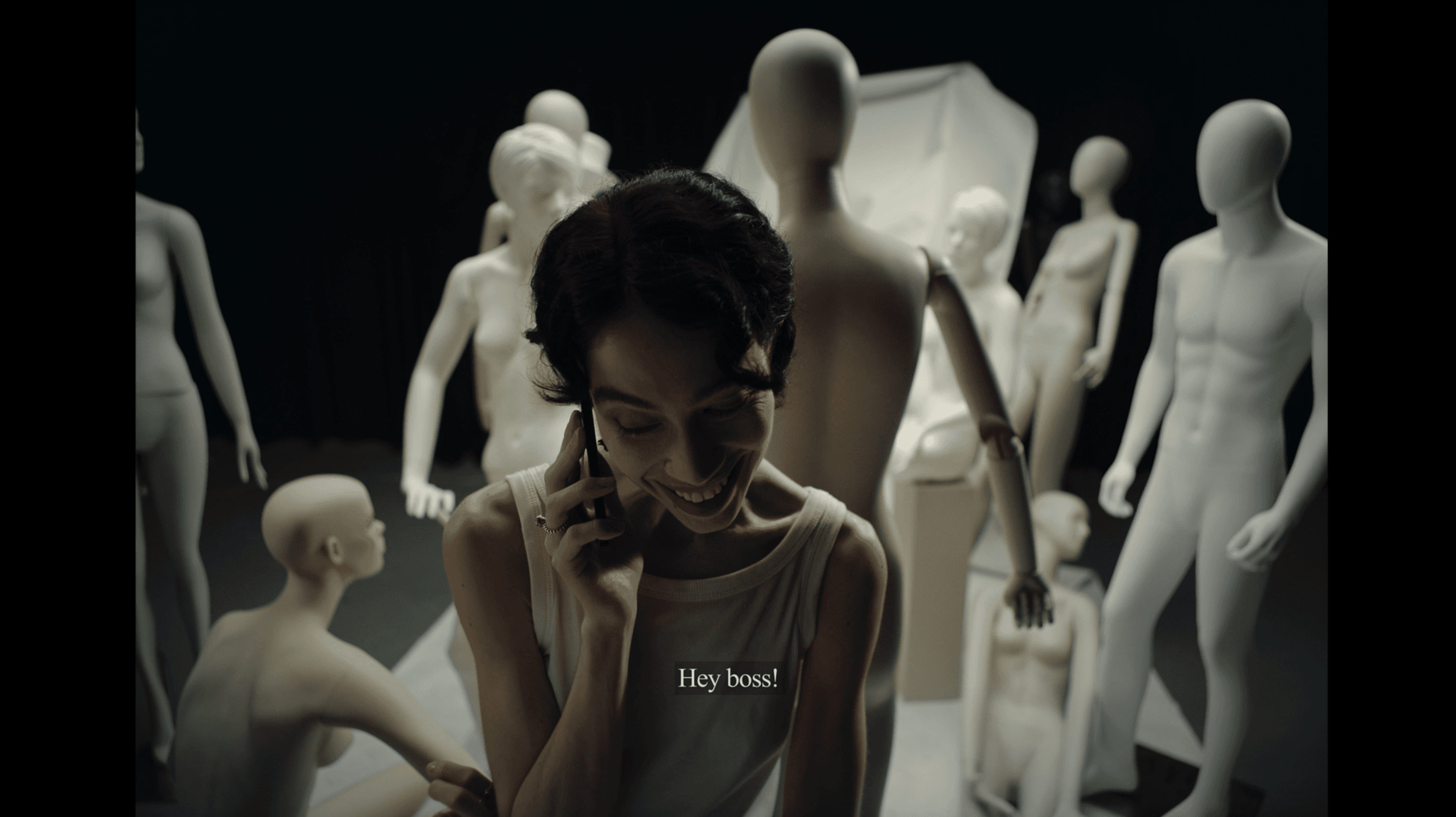
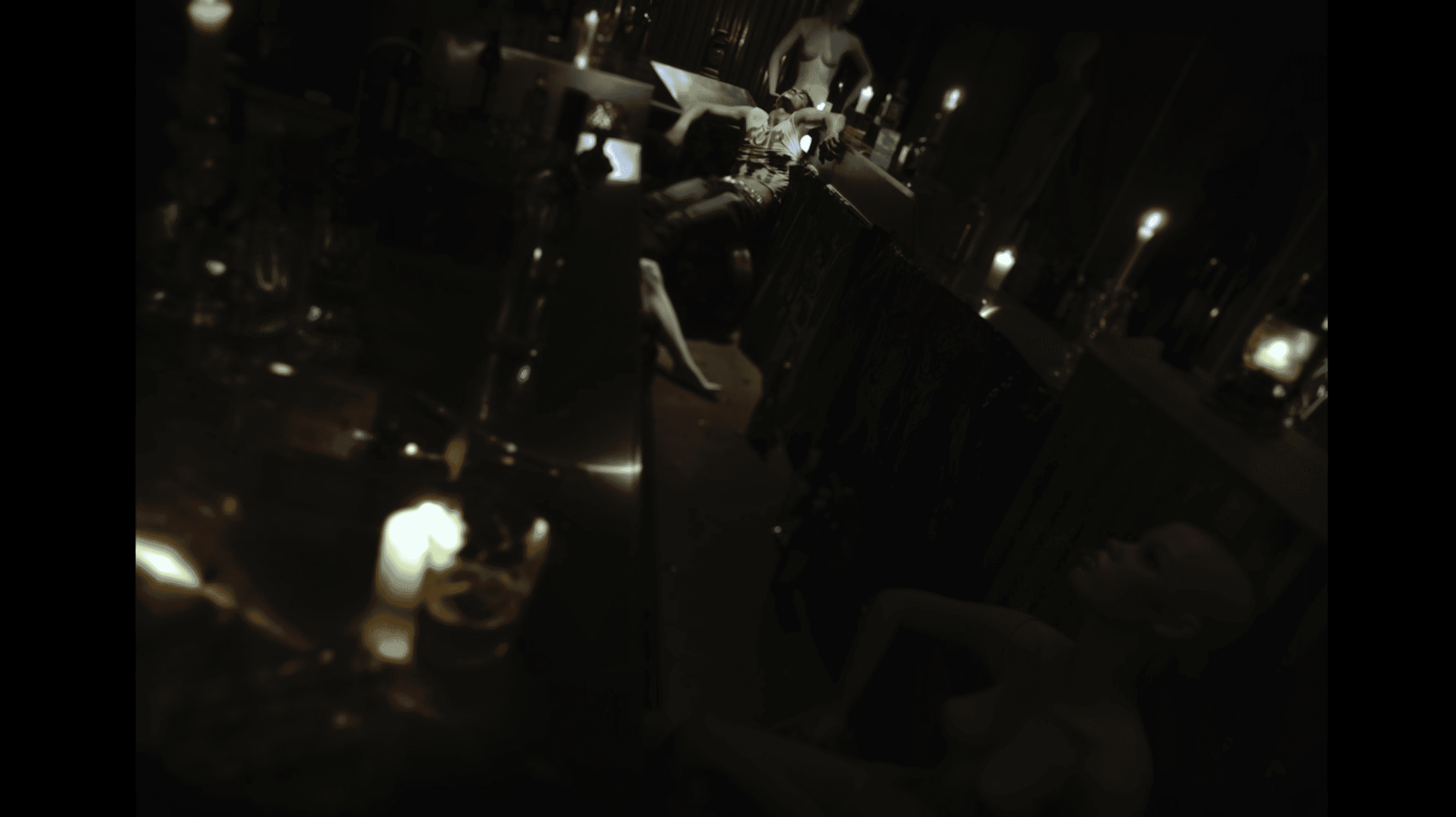
Stills from the 2025 short film Angel Landing, written, directed, and edited by Lin You. Courtesy of Lin You.
Lin
I have, personally, a lot of gripes with it. Looking back, I would have done a lot, almost everything very differently. And I think, well, everybody's always going to feel a little bit guilty. I think filmmaking is inherently already a medium that is guilt inducing. It’s almost impossible to make a film and not look back at it and want to throw up—Martin Scorsese said that, not me. [laughs] And so that film, I do think that the scope got too big. I was unable to control a lot of the things as a director, and that ended up being kind of what caused a lot of the issues in that film now that I think exist.
But what's next for me is I'm writing a feature film, co-writing, with this writer who used to be a professor of mine, but he's a friend of mine now and he is really amazing. So that's one project. And then the other one is this basically no budget, very short, found footage psychological thriller situation that I wrote that I'm shooting actually this weekend. So that's the other project that I'm doing. So just taking what I learned from that first bigger budget short film that I did, the things that I did right, the things I did wrong, and taking what I learned with me into the next film projects that I work on. Because I do think film is all about story. So, if your story wasn't totally there or some aspect of your filmmaking wasn't there because of the casting or whatever thing, it does bring the whole thing down. That is one thing, is the non-experimental works are just really difficult to get right, compared to experimental works where you're just free. Narrative films, you have to stick to the structure and you have to, you just have to. There's certain things you have to do, because if you don't do those things, then the audience is gonna walk away and leave, you know? So that's the thing, I guess. Yeah, that's my road and little piece of stuff that I learned.
Lin
I have, personally, a lot of gripes with it. Looking back, I would have done a lot, almost everything very differently. And I think, well, everybody's always going to feel a little bit guilty. I think filmmaking is inherently already a medium that is guilt inducing. It’s almost impossible to make a film and not look back at it and want to throw up—Martin Scorsese said that, not me. [laughs] And so that film, I do think that the scope got too big. I was unable to control a lot of the things as a director, and that ended up being kind of what caused a lot of the issues in that film now that I think exist.
But what's next for me is I'm writing a feature film, co-writing, with this writer who used to be a professor of mine, but he's a friend of mine now and he is really amazing. So that's one project. And then the other one is this basically no budget, very short, found footage psychological thriller situation that I wrote that I'm shooting actually this weekend. So that's the other project that I'm doing. So just taking what I learned from that first bigger budget short film that I did, the things that I did right, the things I did wrong, and taking what I learned with me into the next film projects that I work on. Because I do think film is all about story. So, if your story wasn't totally there or some aspect of your filmmaking wasn't there because of the casting or whatever thing, it does bring the whole thing down. That is one thing, is the non-experimental works are just really difficult to get right, compared to experimental works where you're just free. Narrative films, you have to stick to the structure and you have to, you just have to. There's certain things you have to do, because if you don't do those things, then the audience is gonna walk away and leave, you know? So that's the thing, I guess. Yeah, that's my road and little piece of stuff that I learned.
To keep up with Lin’s work, please follow her on Instagram for new work and announcements. Thank you again for this conversation, it was a pleasure, and I’ll still be on the lookout for the second edition of your flipbook!